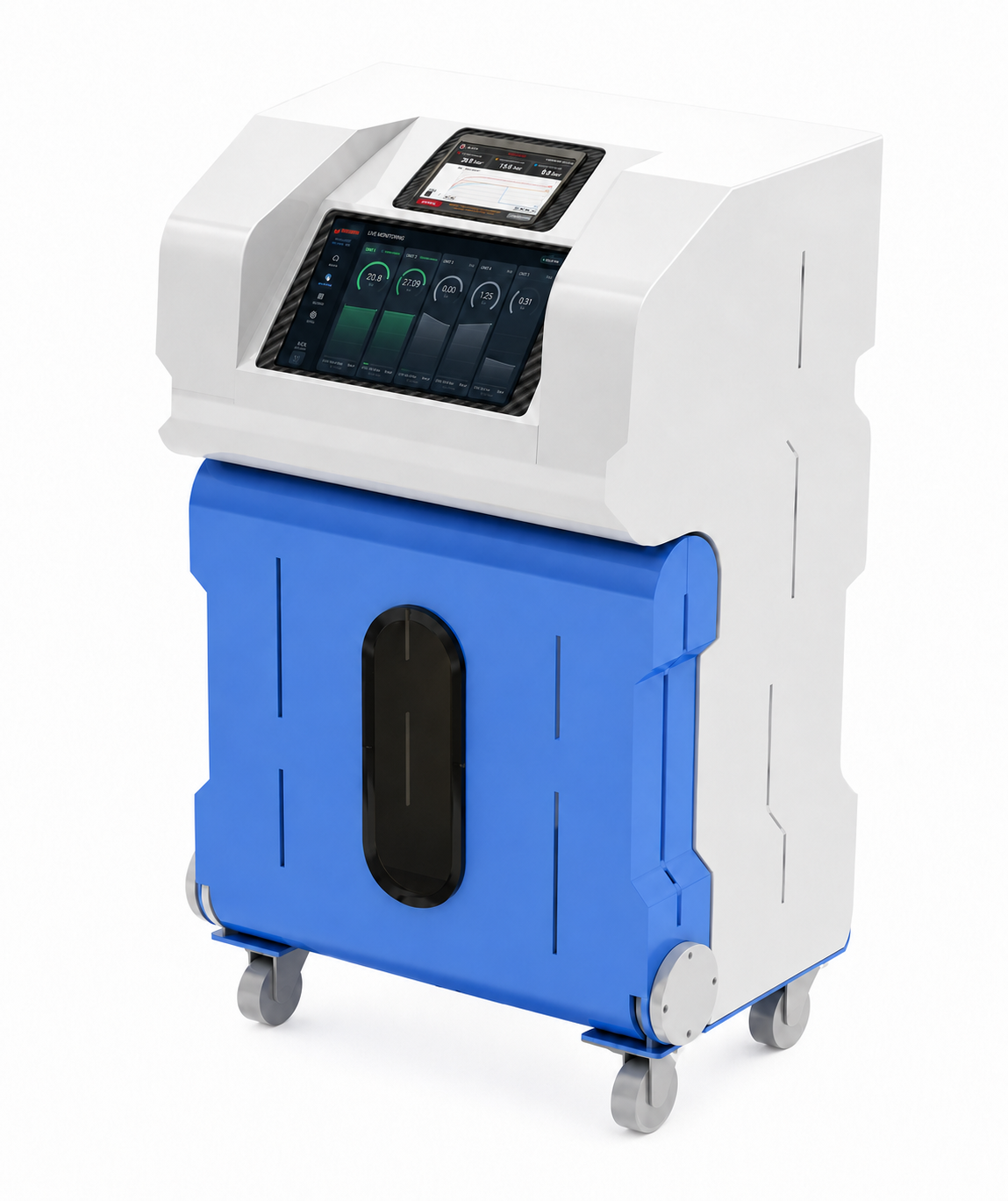
Product Overview
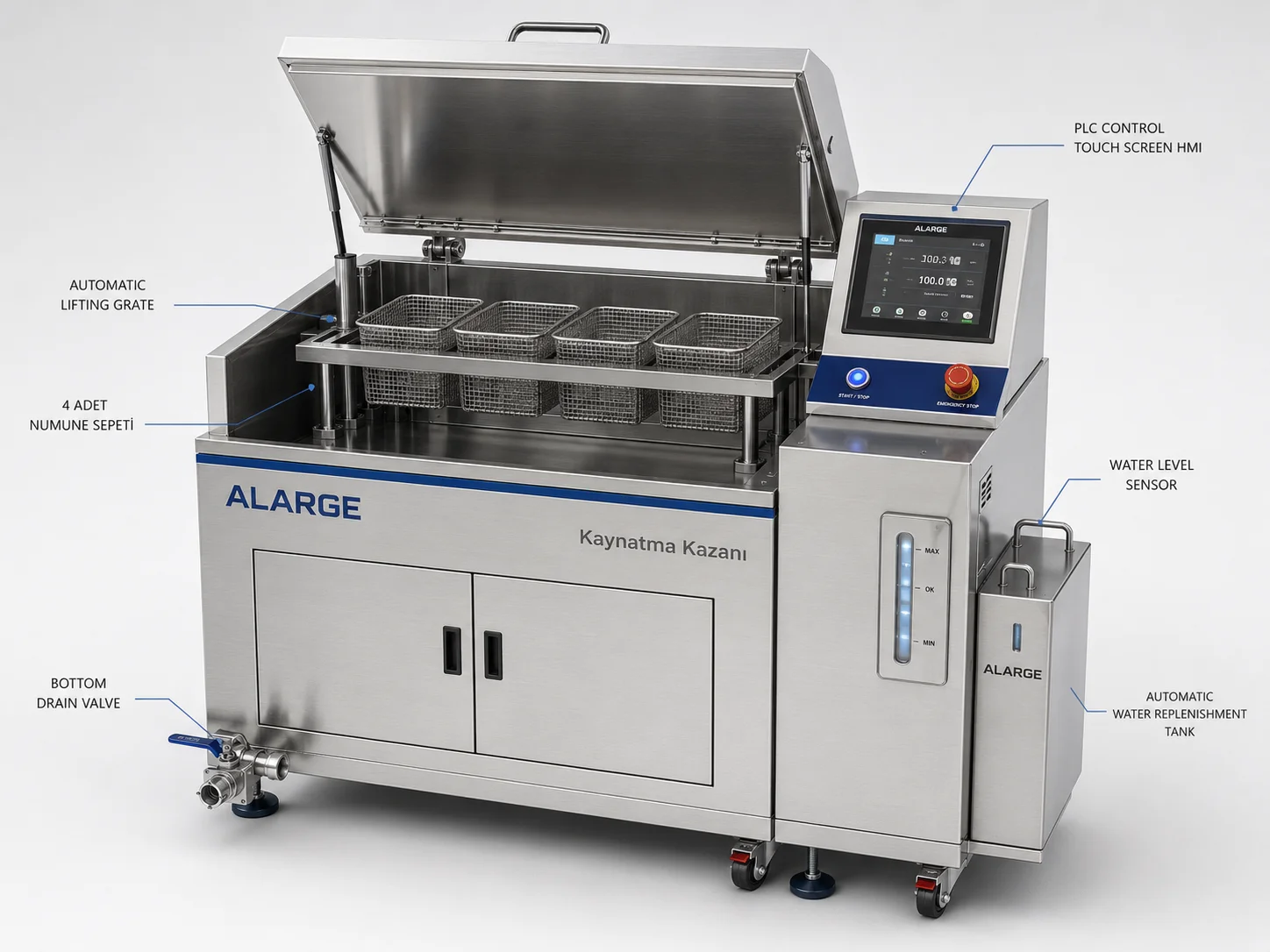
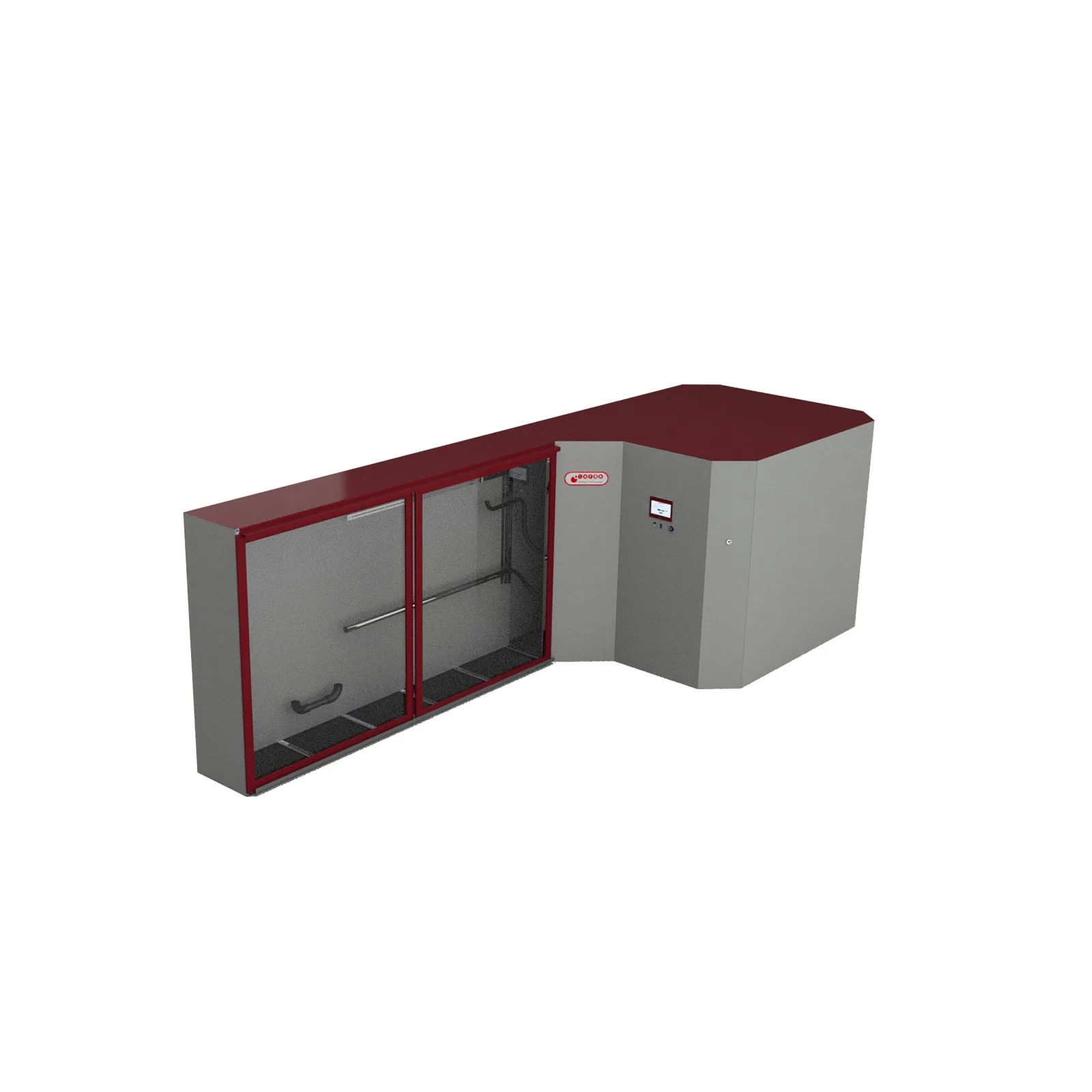
Designed for hydrostatic internal pressure testing of thermoplastic pipes, fittings, and pressure components. Delivers fully automated testing cycles with digital reporting, database management, and network connectivity, giving a reliable determination of tube service life per ISO 1167. This AL HBT 5 configuration — Number of Lines: 5; Max. Test Pressure: 80 Bar; Burst Examine Pressure: 160 Bar; Pump Capacity: 200 Bar.
Core Features
- Number of Lines: 5
- Fully automated evaluation cycles
- Digital reporting & database management
- Network connectivity
- 0–3,000 bar pressure capability
- Compatible with PPRC, PPH, PE, PVC, and composite tubes
- On-site installation & training
- 1-year warranty
Specifications
- ISO 1167 — Thermoplastic pipes — resistance to internal pressure
- ASTM D1598 — Time-to-failure of plastic tube under constant internal pressure
- ASTM D1599 — Short-time hydraulic failure pressure of polymer pipe
Specifications
- Number of Lines5
- Max. Test Pressure80 Bar
- Burst Examine Pressure160 Bar
- Pump Capacity200 Bar
- Max. Examine Duration10,000+ hours
- Pressure Sensor Resolution0.01 Bar
- Pressure Sensor Accuracy0.25%
- Data Flow Rate400 Hz
- ControlPLC
Touchscreen
Specifications
| Parameter | Specification |
|---|---|
| Model | RTPLINE-HBT 5 |
| Brand | RTPLINE |
| Code | 9024800000 |
Specifications are configurable to your pipe sizes and test standard. Ask us for the full datasheet and a configuration proposal.
Source: RTPLINE product engineering data · Updated November 2026
How a hydrostatic pressure test works
Seal and fill the specimen
Mount the pipe sample in the end caps, fill it with water and remove trapped air so the internal pressure acts evenly along the test length.
Heat, pressurize and hold
Bring the water bath to the specified test temperature, then apply and hold constant internal pressure for the required duration while the control system logs the curve.
Detect failure and record
The system monitors pressure, temperature and time. A drop or burst is recorded as failure; a completed hold is recorded as a pass, and the result can be exported for the test report.
Actual pressure, temperature and hold time are set by the test standard and the pipe specification, not by the machine alone.
What the standards mean
International method for determining the resistance of thermoplastics pipes, fittings and assemblies to constant internal water pressure at a controlled temperature.
Standard test method for time-to-failure of plastic pipe under constant internal pressure — the long-term hydrostatic strength test.
Standard test method for resistance to short-time hydraulic pressure of plastic pipe, tubing and fittings — the burst-pressure test.
Testing to a published standard keeps results comparable with other laboratories and with your customer's incoming inspection.