How many test stations do I need?
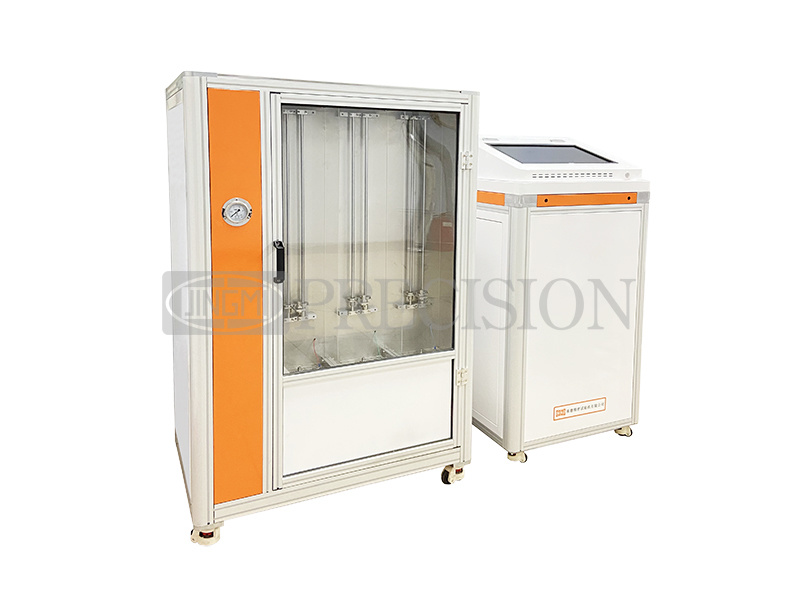
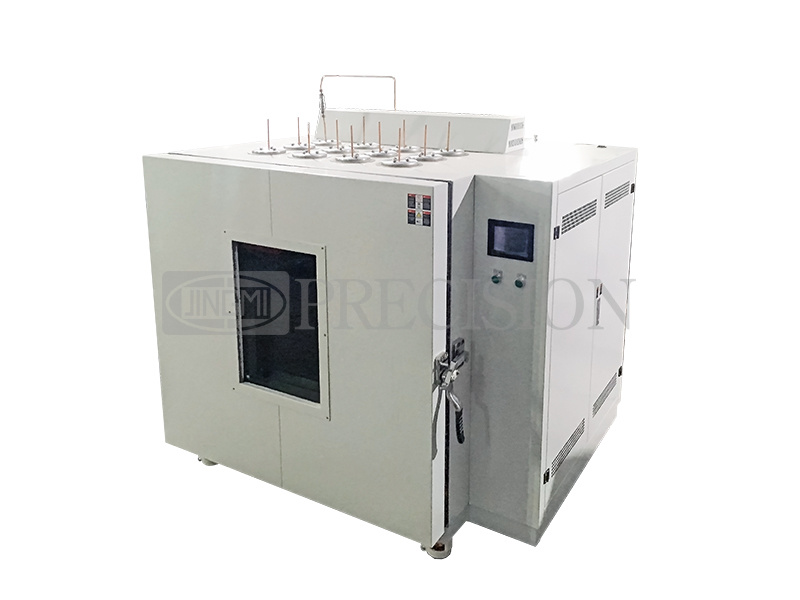
Answer: It depends on how many samples you run per day. For occasional testing with a few samples, 3–6 stations are sufficient. For daily batch release or a busy test house, choose 5–30 stations so long-duration tests run in parallel instead of queueing. Send us your daily sample count and we will size the station number for you.
How do I get pricing and a recommended configuration?
Answer: Tell us the pipe diameter range, the test standard (for example ISO 1167 or ASTM D1598/D1599), the number of stations you need and the water-bath size you expect. We will return a configuration proposal with a firm quotation, lead time and shipping terms — normally within one business day.
What are your strengths?
Answer: RTPLINE designs, builds and tests plastic pipe testing and extrusion equipment in-house. Critical components are selected for continuous industrial duty, and every unit is pressure-tested and run before shipment, so performance is repeatable from the first day on your floor.
How will the machine be assembled and debugged when it arrives at the factory, and will the customer's employees be trained?
Answer: The equipment is assembled and debugged at our works before delivery, then packed for shipment. Our engineers provide remote video guidance for installation and commissioning, and on-site installation and operator training can be arranged. Training covers daily operation, changeover, routine maintenance and safety.
What do you do if there is a problem or failure with equipment that requires guidance or replacement parts?
Answer: Send us the symptom and a short video; our service team replies with a diagnosis and step-by-step guidance. If remote support cannot solve it, an engineer can be dispatched to site. Parts replaced during the warranty period are supplied free of charge; wear parts are charged at cost only.
How long is the warranty period of the product?
Answer: Every machine carries a 12-month parts warranty together with lifetime technical support. Consumables and wear parts are excluded, and are quoted at cost.
Can I visit your factory in China?
Answer: Yes. Factory visits are welcome — we can arrange airport pickup and a full demonstration of the machine running with your pipe samples. Video tours are also available if travel is not convenient.
Can you customize according to requirements?
Answer: Yes. Working range, number of stations, fixture sizes, voltage, control interface and guarding can be customized to your pipe sizes, test standard and plant layout. Send your specification and we will propose a configuration.
What is hydrostatic pressure testing?
Answer: Hydrostatic pressure testing fills a sealed pipe sample with water, brings it to a controlled temperature and holds a constant internal pressure for a defined time. The test verifies the pipe's resistance to internal pressure, its long-term hydrostatic strength (ASTM D1598) or its short-time burst resistance (ASTM D1599).
What is the difference between ISO 1167, ASTM D1598 and ASTM D1599?
Answer: ISO 1167 is the international method for resistance to constant internal water pressure at controlled temperature. ASTM D1598 measures time-to-failure under constant internal pressure (long-term strength), while ASTM D1599 measures short-time hydraulic resistance, commonly called the burst-pressure test.